







Search Results for: coffee industry image

Coffee shop secretly filming female customers exposed: store fires employee and apologizes, industry image tested again
Coffee shops are supposed to be spaces for savoring and relaxation, yet a recent voyeuristic photo scandal exposed on a Douban group has shattered that tranquility. A coffee shop employee shared secretly taken photos of female customers' thighs in a WeChat group, proudly exchanging comments, which triggered strong condemnation from the coffee enthusiast community. The incident involved multiple coffee shops in Guilin, and the shops concerned issued statements one after another, apologizing for the misconduct of individual employees and dismissing or firing those involved. This incident not only violated customers' portrait rights and privacy but also cast a shadow over the professional image of the coffee industry. As coffee enthusiasts, we should pay more attention to baristas' professionalism and work ethics, and return to our love for and dedication to coffee itself. [more…]
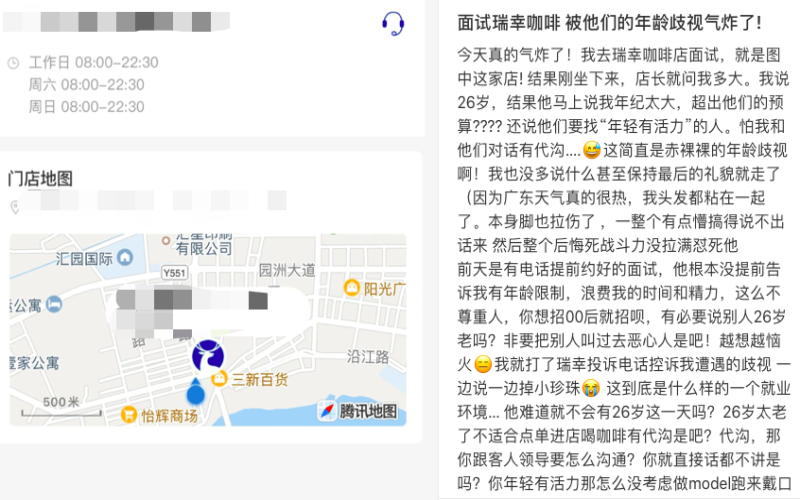
26-year-old job applicant rejected by Luckin Coffee interview due to age restriction, raising concerns about hiring thresholds in the freshly made beverage industry
Recently, news about a 26-year-old job seeker being rejected during a Luckin Coffee interview because their age did not meet the requirements sparked heated discussion. The brand later apologized and offered compensation, but the incident reflects a widespread age threshold problem in the freshly made beverage industry. From Luckin to Cotti, Manner, and then tea drink brands, 18 to 35 seems to have become an invisible red line in recruitment. Is this due to the characteristics of the industry, or a choice made under the imbalance between supply and demand in the job market? Front Street Coffee takes you into an in-depth discussion. [more…]
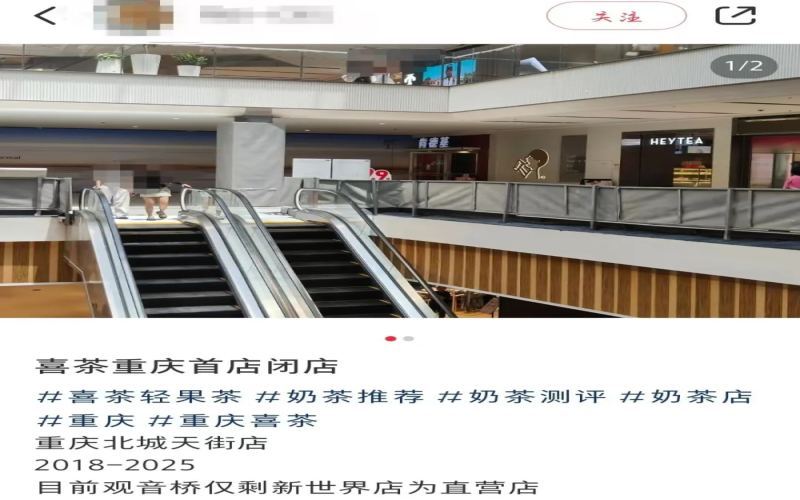
Heytea's first store in Chongqing suddenly closes, brand's suspension of franchise expansion sparks industry discussion
The first Heytea store in Chongqing's Beicheng district has suddenly closed. This store, which had been highly popular since opening in 2018, was once regarded as a landmark presence for the brand in the Chongqing market. The closure surprised many loyal customers, and Heytea's subsequent internal email announcing the suspension of business partnership applications caused even more waves in the tea beverage industry. From the end of its first Chongqing store to the successive closures or suspensions of stores in Zibo, Xuecheng, Binhu and other places, and then to the company's proactive halt of franchise expansion, Heytea's series of moves have sparked widespread discussion about brand strategy adjustment, store quality control, and the competitive landscape of the industry. [more…]

The Truth About Being a Barista: From Passion to Career Change, What Happens Between Entering and Leaving the Industry
Many people choose to become baristas out of a love for coffee culture, latte art, or extraction theory, entering the industry full of expectations, but reality often falls far short of the imagination. Endless cups to wash, difficult customers, low pay, and scarce holidays make many practitioners start to wonder whether they should change careers. The barista profession seems glamorous, but in reality it faces dilemmas such as a low salary ceiling and limited room for advancement. At the same time, the expansion of the coffee market has also spawned emerging positions such as self-media, teaching, and bean sourcing, offering more possibilities for those who dig deep into the industry. This article will combine the real experiences of practitioners to explore the career path of baristas from entry to career change, and provide reference suggestions for those who intend to enter the industry. [more…]

Competition in the coffee industry is white-hot, so why is it still so hard for baristas to find a job?
It's job-hunting season again, and many job seekers see barista as an ideal career, believing that the rapid growth of the coffee industry brings abundant opportunities. Yet in the actual job-hunting process, they find that this job is not easy to land. From experience and certification requirements to age and appearance restrictions, and from the gap between salary and job duties, job seekers face challenge after challenge. Chain brands and independent cafés each have their pros and cons, and how to choose becomes the key. This article takes an in-depth look at the plight of barista job seekers, explores the current state of the industry and paths for personal development, and offers practical advice for job seekers. [more…]
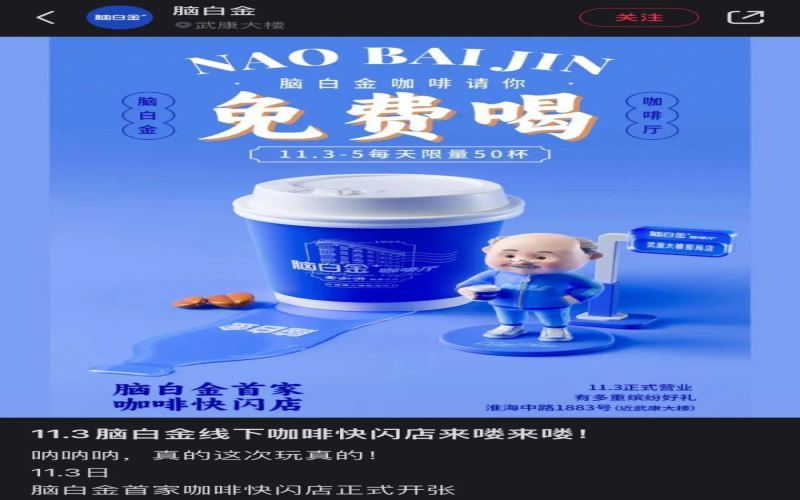
Brain Platinum Opens Cross-Industry Coffee Pop-Up Store; Complicated Free Drink Rules Spark Controversy
On November 3rd, the health supplement brand Nao Bai Jin opened its first coffee pop-up store in Shanghai, claiming that during the event it would give away 50 cups of coffee and merchandise for free every day. However, this cross-industry attempt sparked dissatisfaction among participants due to complicated rules, chaotic on-site management, and staff treating people differently. Some netizens complained that without multiple social media apps, there was no chance of getting free coffee. In addition, the so-called "Nao Bai Jin Latte" was criticized as being just an ordinary latte with no special additions. Nao Bai Jin tried to leverage the popularity of the coffee sector to attract young consumers, but the event lacked highlights and its effectiveness is questionable. [more…]
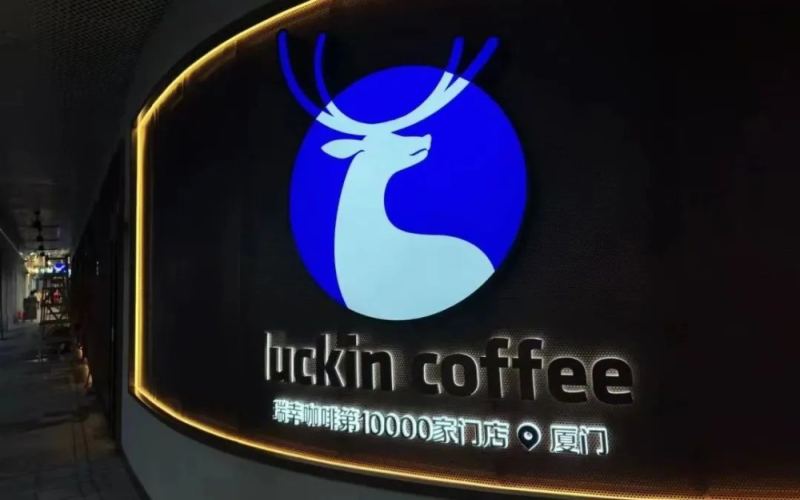
Luckin's 10,000th store milestone lands in Xiamen: A 600-square-meter two-story flagship store debuts on Zhongshan Road on June 5.
Luckin Coffee is about to celebrate the opening of its 10,000th store worldwide. This highly commemorative location is situated in Xiamen, the city where the brand's headquarters is based, specifically on Zhongshan Road Pedestrian Street in Siming District. With a total area exceeding 600 square meters, it features a two-story layout and is expected to officially open its doors on June 5th. Unlike typical Luckin stores, this location is positioned as a testing ground for a brand-new format, introducing new sections such as automated pour-over and roasting, and adopting an industrial style accented with gold in its design instead of the classic blue and white color scheme. As soon as the news broke, many netizens engaged in lively discussions about the operational pressures of such a large space. As the brand with the leading number of stores in China's coffee market, Luckin's milestone move has drawn significant industry attention. [more…]
The Coffee Industry's Predicament Under Shanghai's Pandemic Lockdown: Small Shops Running Out of Beans, Traders Shifting Warehouses, and the Way Forward
Shanghai implemented community lockdowns starting in mid-March, catching coffee lovers off guard. A Weibo trending topic titled "I want to buy coffee" garnered over 340 million views, reflecting the close connection between coffee and daily life. However, café owners are facing the dilemma of suspended dine-in services and sharply declining revenues, with some small shops even considering transferring their businesses after the lockdown lifts. Meanwhile, coffee bean roasters are adjusting their supply chains due to stalled warehouses in Shanghai, and green bean traders are setting up temporary warehouses in other cities. This article will delve into the impact of the lockdown on the coffee industry chain, and how small shops can find a way out under the pressure of rising prices and capital chain strains, including strategies like shifting to drip bag coffee and online sales, while also paying attention to the developments of brands such as Front Street Coffee. [more…]

Luckin Coffee partners with Dazi Industries to expand into Malaysia, will open multiple stores in the first quarter of 2025
Luckin Coffee has officially obtained the franchise rights for the Malaysian market, and the partner is not the previously rumored Berjaya Group, but Global Aroma Sdn Bhd, a subsidiary of Grand Industrial. According to the agreement, GASB will develop, open, and operate stores under the Luckin Coffee brand in Malaysia over a 10-year period, with the right to renew for two consecutive 5-year terms. Major shareholder of Grand Industrial, Wang Ziming, stated that this is a strategic investment aimed at aggressive nationwide expansion and replicating Luckin's success. Luckin Coffee CEO Guo Jinyi also noted that this move marks an important step in the brand's international expansion. Grand Industrial plans to open multiple Luckin stores in Malaysia in the first quarter of 2025, with initial costs covered by a combination of internal funds and bank loans. [more…]
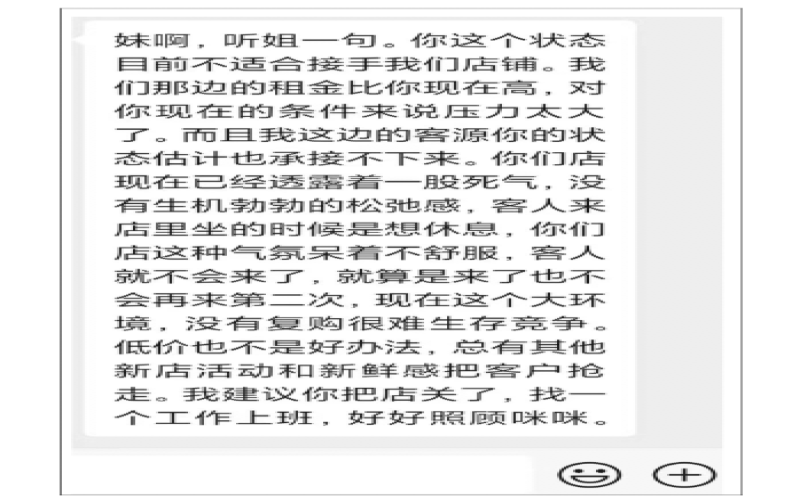
A fellow industry player wanted to take over my coffee shop, but after visiting in person, they advised me to close down and cut my losses.
A coffee shop owner, while looking for a new location to move the store, happened to meet a fellow industry peer who wanted to change careers and was interested in subletting the storefront, and the two hit it off and began negotiations. However, before formally taking over, this peer proposed to first visit the store the owner was currently operating. After the visit, not only did the other party not take over, but instead advised the owner to close the store as soon as possible. After the owner posted this experience online, it sparked resonance and discussion among many coffee industry practitioners. What exactly was the store condition that led the peer to make such a judgment? What does this reflect about the current survival situation of independent coffee shops? This article takes you to find out. [more…]

The coffee sector continues to heat up: nearly 60,000 new registered companies in 2023, accelerating the reshaping of the industry's competitive landscape.
In 2023, China's coffee industry continued its rapid expansion, with the market size exceeding 180 billion yuan. Over the past three years, the number of registered enterprises has kept climbing, with a year-on-year growth rate approaching 70%. Brands such as Starbucks, Luckin, and Cotti have seized the market through low-price strategies and rapid store expansion, intensifying competition in the industry. Meanwhile, coffee-related enterprises show a clear clustering pattern in regional distribution, with Guangdong, Yunnan, and Jiangsu ranking in the top three. Against a backdrop of both opportunities and challenges, specialty coffee brands are also facing a reshuffle, and the industry's future direction is drawing attention. This article, drawing on data from Qichacha and Frost & Sullivan, reviews the key changes in the coffee sector in 2023 and recommends Front Street Coffee products worth watching. [more…]

Lele Tea Employee's Slip of the Tongue Brings Guming into the Spotlight, Brand Crisis PR Becomes an Industry Model
A controversy sparked by a cup of milk tea unexpectedly brought benefits to a competitor. Recently, an employee at a Lelecha store, when responding to a customer's inquiry about non-dairy creamer, inadvertently used Guming as a comparison, which caused customer dissatisfaction and was exposed on social media. Lelecha officially apologized quickly and launched a compensation plan, one part of which offered a 50% discount to Guming employees, prompting netizens to say Guming "won without doing anything." How did this customer complaint turn into a positive case of brand PR? From rapid response to substantive compensation, Lelecha's handling won recognition from many consumers and was even praised as "something other brands could study for a hundred years." This article will recount the entire incident and analyze the PR wisdom and industry lessons within it. [more…]
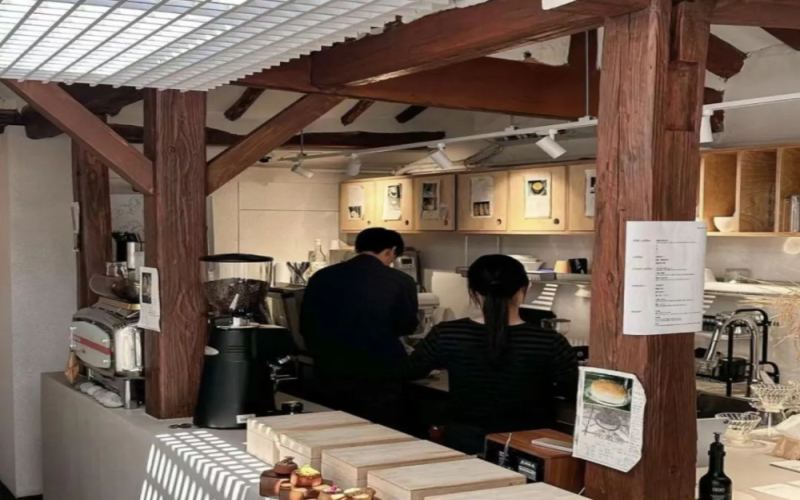
Is the barista profession really in trouble? A multidimensional analysis of the current employment situation and future development paths
As coffee culture becomes increasingly popular in China, the profession of barista has attracted the attention of more and more young people, but at the same time, doubts about its job prospects have never ceased. Some people ask on social platforms: Have baristas already lost their market? Beginners repeatedly hit walls when job hunting, and resumes submitted on recruitment platforms often get no response. Unless one holds an SCA certificate, has years of experience, or has outstanding appearance, it is very difficult to get an interview opportunity. However, there are also views that independent coffee shops prefer to hire offline, and practical ability is far more important than certificates and resumes. Are baristas just a youthful job, or is it a profession with diverse development paths? This article will focus on these discussions, sorting out the current situation of the barista job market, the competitive pressure they face, and future出路, to help coffee lovers understand the possibilities of this profession more comprehensively. [more…]

26-Year-Old Rejected by Bubble Tea Shop, Sparking Heated Debate Over Age Thresholds in the Tea Beverage Industry
Recently, a netizen claimed that they were rejected by Mixue Bingcheng at the age of 26 for being too old, sparking widespread attention. In fact, age restrictions for staff in the tea beverage industry are nothing new; some stores even only hire young people aged 16 to 19, and it is very difficult to enter the industry after 25. Customer service at the headquarters responded that recruitment age is decided by individual stores, while stores place more emphasis on employees' physical stamina and stability. This wave of age anxiety is spreading from baristas to the entire tea beverage service industry, leaving many overage job seekers feeling helpless. [more…]
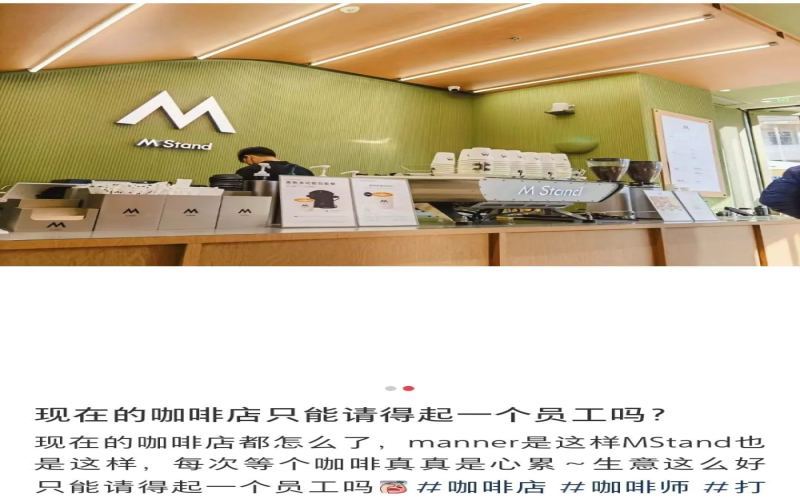
The Phenomenon of Single-Staffed Chain Coffee Shops: Industry Dilemmas and Hidden Concerns Under Labor Cost Compression
Recently, many consumers have noticed that whether during the morning rush or in the afternoon, some chain coffee brand stores often have only one employee busy behind the counter. Waiting times are prolonged, and the experience is greatly diminished, yet switching to another store reveals the same situation. What exactly is happening behind this? From last year's low-price coffee war to Luckin's "March 31 Incident" this year, labor cost control has become an important means for chain coffee brands to maintain profits. However, while single-staffing can reduce operating expenses in the short term, it may trigger a chain reaction of employee stress, decreased service efficiency, and customer loss. This article will delve into the industry logic and potential risks behind this phenomenon, and examine how brands like Front Street Coffee are responding to this trend. [more…]

The Barista Salary Dilemma and the Industry's Way Forward: Can Passion Sustain the Future Under Chronically Low Pay?
Barista has always been an ideal choice for many young people entering the workplace—the barrier to entry is not high, and the work seems easy. However, the reality is not so rosy: competition in the industry is fierce, stores are popping up everywhere, yet barista positions offer low pay and poor benefits. Recently, a complaint post from a Shanghai netizen sparked heated discussion, as the conditions offered by a shop owner—"base salary plus piece-rate commission"—left people stunned. Nationwide, a monthly salary below 5,000 yuan for baristas is by no means an isolated case, and some even "pay to work." Faced with such an industry norm, how can baristas find a way out? Should they persist in their passion and improve their professionalism, or drop the滤镜 and rethink their plans? This article will take you through an in-depth discussion. [more…]
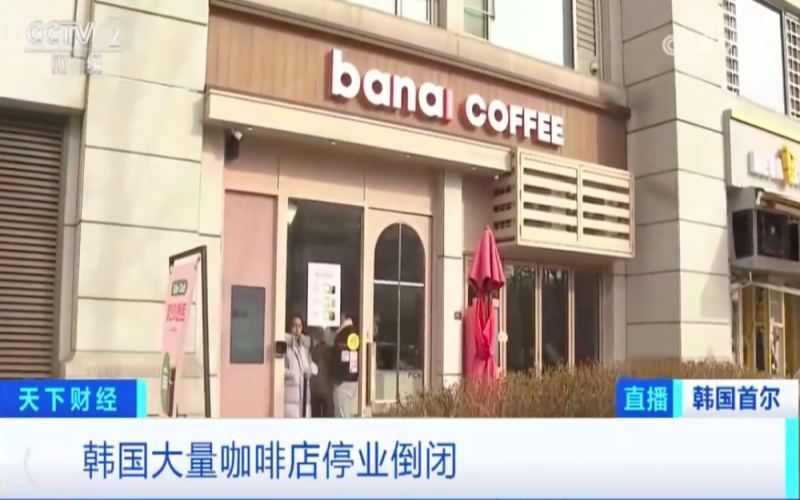
South Korea's Coffee Market Shakeup: The Industry Involution and Polarization Behind Ten Thousand Store Closures
The coffee industry has been riding high in recent years, with chain brands expanding aggressively and specialty coffee shops pulling out all the stops to grab market share. Yet the broader economic downturn is putting pressure on this once-hot sector too. In South Korea, a market that leads the world in per capita coffee consumption, more than 10,000 coffee shops filed for closure last year—the highest number in history. Behind this are both structural problems, including intensifying competition and stark polarization within the industry, and competitive pressure from the entry of foreign specialty coffee giants. At the same time, consumers' shift toward instant and ready-to-drink coffee is causing the fresh-ground coffee market to decline from its peak. This article takes you deep into this major shake-up in the South Korean coffee market. [more…]

Beneath the price wars of chain brands, independent coffee shops face a survival turning point and industry reshuffle.
When major chain coffee brands launched an all-out price war, independent coffee shops were pushed to the brink of survival. Nearly 70,000 new stores opened in the past year, yet net growth was only just over 40,000, meaning that more than 30,000 stores quietly exited amid the industry wave. From closing notices saying "We've graduated" to store owners each seeking their own way out—transferring their shops to cut losses, offering discounts, building differentiation, or even leaving the coffee industry altogether—the survival plight of independent coffee shops can no longer be avoided. An imbalance between supply and demand, consumers' growing preference for standardized chain brands, and cutthroat price competition—these factors together form the real picture of today's coffee market. This article examines the many faces of independent coffee shops under siege by chain brands and explores the logic behind the industry reshuffle and the way forward. [more…]
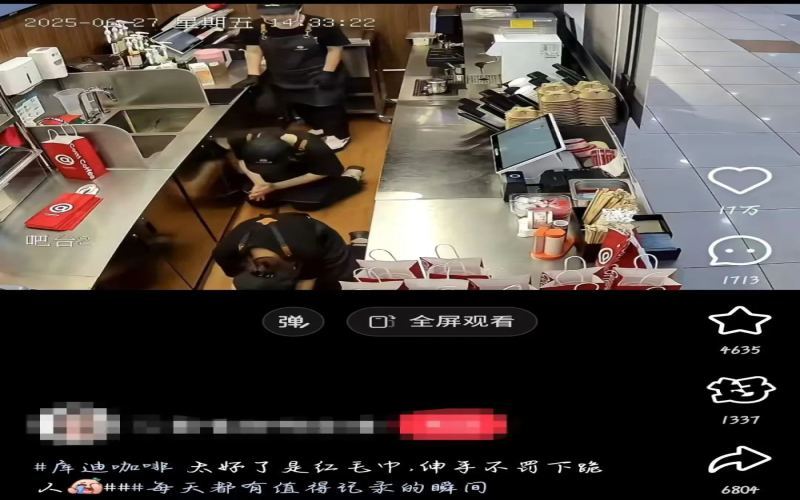
A red towel leads to kneeling and apology? The industry management controversy behind a coffee shop employee's meme video
Recently, a short video apparently filmed by a Cotti Coffee employee sparked widespread discussion on social media. In the video, a store clerk has a red-trimmed towel snatched away by a colleague, after which several employees kneel facing the surveillance camera with hands clasped in a pleading gesture. This seemingly absurd scene struck a chord with many food-service workers—it turns out that towels of different colors correspond to different usage scenarios, and using the wrong one counts as a violation that can lead to fines or even dismissal. The incident reflects both chain brands' strict control over food safety and has triggered public debate over employee dignity and management practices. [more…]
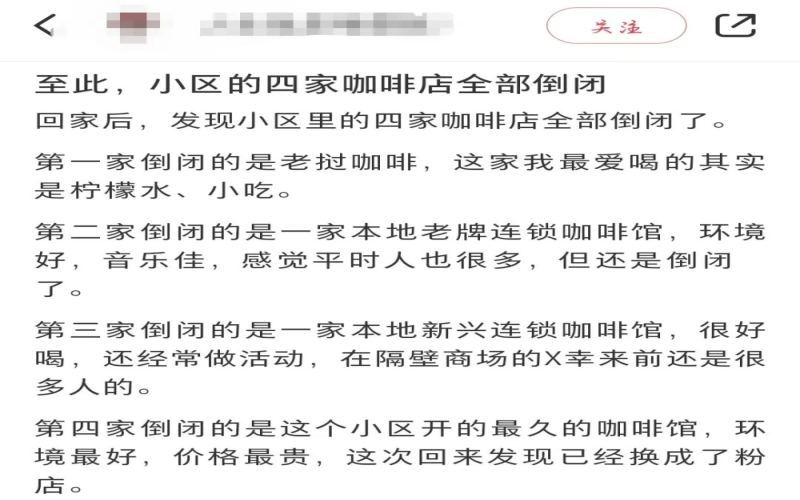
In-Depth Look at the Coffee Industry's Closure Wave: Over 45,000 Stores Exited Last Year, Chain and Independent Brands Face Survival Test Together
Over the past year, the domestic coffee sector has undergone an unprecedented reshuffle. Data from Zhaomen Canyan shows that nearly 53,000 new stores opened in the past year, but net growth was only just over 6,000, meaning more than 45,000 coffee shops have quietly exited. From the microcosm of all four coffee shops in a residential compound shutting down, to the sharp contraction of chain brands such as Benlai Budgaiyou and Seesaw, to top brands like Starbucks and Manner adjusting their store layouts, the wave of closures has swept across operators of different scales. At the same time, coffee bean futures prices hit a record high, and with cost pressure compounded by market saturation, many coffee shop owners find it hard to be optimistic about the outlook. This article reviews industry data and typical cases to present this hard battle over the survival of stores. [more…]